
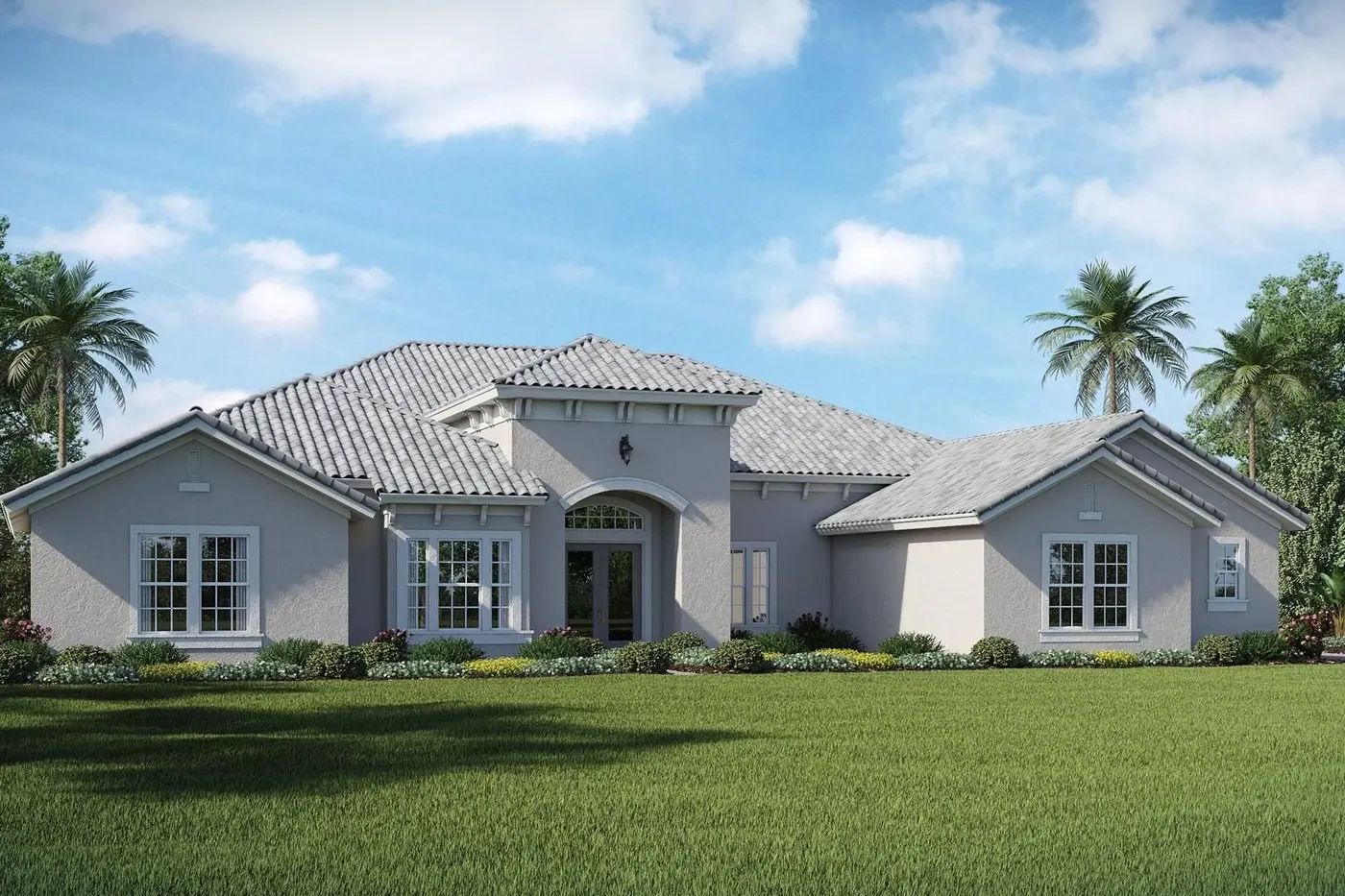
Home Buying in Pleasanton: Your Complete Guide to Success
Home buying in Pleasanton involves understanding assistance programs like BMR and PDALP, market conditions, and neighborhoods. Our guide helps you navigate the process from budgeting to closing.
Pleasanton Home Buying Assistance: BMR, PDALP & AC Boost Eligibility
First-time buyers in Pleasanton have several paths to affordable homeownership, but eligibility rules vary by program. Below, we break down the main options—Below Market Rate (BMR) housing, the Pleasanton Down Payment Assistance Loan Program (PDALP), and AC Boost from Alameda County—so you can see which ones fit your income and household size.
| Program | What It Offers | Income Limits | Key Steps |
|---|---|---|---|
| BMR Housing (Pleasanton) | Homes sold at below-market prices to qualified buyers | Varies by household size and area median income (AMI); typically 80–120% of AMI | 1. Verify eligibility with the city. 2. Attend a homebuyer education class. 3. Apply when units become available. |
| Pleasanton Down Payment Assistance Loan Program (PDALP) | Deferred loan to help with down payment and closing costs | Income limits set by the city; usually up to 120% of AMI | 1. Complete a loan application. 2. Provide income and asset documentation. 3. Work with an approved lender. |
| AC Boost (Alameda County) | Down payment assistance for first-time buyers in Alameda County | Varies by household size; check current AMI guidelines | 1. Confirm you meet first-time buyer criteria. 2. Get pre-approved. 3. Apply through a participating lender. |
| BAAHA (Bay Area Affordable Housing Alliance) | Homebuyer education and counseling | No income limit for education; counseling may have eligibility | 1. Enroll in a workshop. 2. Complete one-on-one counseling. 3. Receive a certificate for certain programs. |
| Example: 1200 Creek Trail Drive | A specific BMR development in Pleasanton | Check with the city for current income limits | 1. Contact the city or developer. 2. Review application deadlines. 3. Submit required documents. |
How to qualify: Start by checking your household income against the current AMI for Alameda County. Most programs require a credit score in the mid-600s, a stable employment history, and completion of a homebuyer education course. Your household size determines the income ceiling, so be precise when calculating.
Application steps: 1. Gather pay stubs, tax returns, bank statements, and proof of assets. 2. Contact the Pleasanton Housing Department or the program administrator to get the latest application forms and deadlines. 3. Submit your application before the cutoff; some programs use a lottery or waitlist. 4. If selected, work with a lender who is familiar with these programs to finalize your mortgage.
Need help navigating these options? Our team can guide you through the paperwork and connect you with local lenders. Explore our home buying services to get started.
Pleasanton Home Buying Market Snapshot: Prices, Inventory & Competition
Pleasanton's real estate market remains one of the most competitive in the Bay Area, with a mix of single-family homes, townhomes, and new construction. Here's what you need to know about current pricing, inventory, and how to position yourself.
| Factor | Why It Matters | Typical Range (General) |
|---|---|---|
| Median home price | Sets your budget baseline | Varies; often $1.2M–$1.6M for single-family homes |
| Inventory levels | Fewer homes mean more competition | Low; often under 2 months of supply |
| Days on market | Indicates how fast homes sell | Often 7–14 days for well-priced homes |
| Competition | Multiple offers are common | High; many homes receive 5–10 offers |
| Price per square foot | Helps compare home values | Varies; often $600–$900 |
Pleasanton's demand stays strong due to top-rated schools, easy BART access, and a vibrant downtown. Even in a shifting market, desirable neighborhoods like Ruby Hill and the downtown area attract steady interest. For a deeper look at nearby options, see our homes for sale san ramon or homes for sale blackhawk pages.
Winning Offers in Pleasanton: Strategies That Work
In a competitive market like Pleasanton, a strong offer goes beyond price. Use these strategies to stand out while protecting your interests.
- Get pre-approved – A pre-approval letter from a local lender shows sellers you're serious and ready to close.
- Research recent comps – Look at similar homes sold in the last 30–60 days to set a realistic offer price. Use our comparative market analysis tool to get started.
- Make a strong initial offer – In multiple-offer situations, your first offer should be your best. Consider offering above asking if the comps support it.
- Minimize contingencies – Waive only what you're comfortable with, like a low appraisal gap or a shorter inspection period. Never skip the home inspection entirely.
- Be flexible on timing – Offer a rent-back period or a closing date that suits the seller. This can make your offer more attractive without raising the price.
- Write a personal letter – A brief note about why you love the home can sway a seller who has emotional ties to the property.
Our agents can help you craft an offer that balances competitiveness with financial safety. Home buying diablo offers more tips for the broader region.
Home Buying in Pleasanton: What You Can Afford & How to Budget
Knowing what you can afford in Pleasanton requires a realistic look at your income, debts, and the true cost of homeownership. Here's how to calculate a budget that won't stretch you too thin.
| Factor | Why It Matters | Typical Range (General) |
|---|---|---|
| Down payment | Larger down payments reduce monthly payments and PMI | Varies; often 5–20% of purchase price |
| Interest rate | Directly affects your monthly mortgage payment | Varies; check current rates |
| Property taxes | Adds to your monthly housing cost | Often 1–1.25% of home value annually |
| Homeowners insurance | Required for most mortgages | Varies; often $1,000–$2,500 per year |
| HOA fees | Common in condos and planned communities | Varies; often $200–$500 per month |
| Maintenance and utilities | Ongoing costs beyond the mortgage | Varies; budget 1–2% of home value annually |
As a rule, your total monthly housing payment (including taxes, insurance, and HOA fees) should not exceed 28–31% of your gross monthly income. For a $400,000 home, you'd typically need a salary in the $100,000–$130,000 range, but in Pleasanton, where prices are higher, you may need a combined income of $200,000 or more. Use our home buying diablo guide for more detailed budgeting tips.
Real estate
Real estate is land and anything permanently attached to it, like buildings and natural resources. It's different from personal property, which includes items like vehicles and furniture. Real estate can be owned by individuals, businesses, or the government, and its use can be residential, commercial, or public. The value of real estate is influenced by location, condition, and market trends. For you, understanding real estate is key to making informed decisions when buying a home in Pleasanton.
Directions to our homes for sale in Danville, CA from Eugene O'Neill National Historic Site
Start at Eugene O'Neill National Historic Site and head to Ahern Real Estate Group at 671 San Ramon Valley Blvd, Danville, CA 94526.
Choosing Where to Buy in Pleasanton: Neighborhoods Compared
Pleasanton offers distinct neighborhoods, each with its own character and price point. Here's a quick comparison to help you narrow your search.
| Neighborhood | Lifestyle | Home Types | Typical Price Range |
|---|---|---|---|
| Downtown Pleasanton | Walkable, vibrant, close to shops and restaurants | Condos, townhomes, some single-family | Varies; often $800K–$1.5M |
| Ruby Hill | Gated, resort-style amenities, golf course | Large single-family homes | Varies; often $1.5M–$3M+ |
| Edge and rural parcels | Quiet, more land, privacy | Single-family homes on larger lots | Varies; often $1M–$2M |
| Condos and townhomes | Lower maintenance, often more affordable | Attached homes | Varies; often $600K–$900K |
| Master-planned communities | Parks, pools, community events | Mix of home types | Varies; often $1M–$2M |
Think about your daily commute, school preferences, and social lifestyle. For more detailed listings, check our property listing danville page for nearby options.


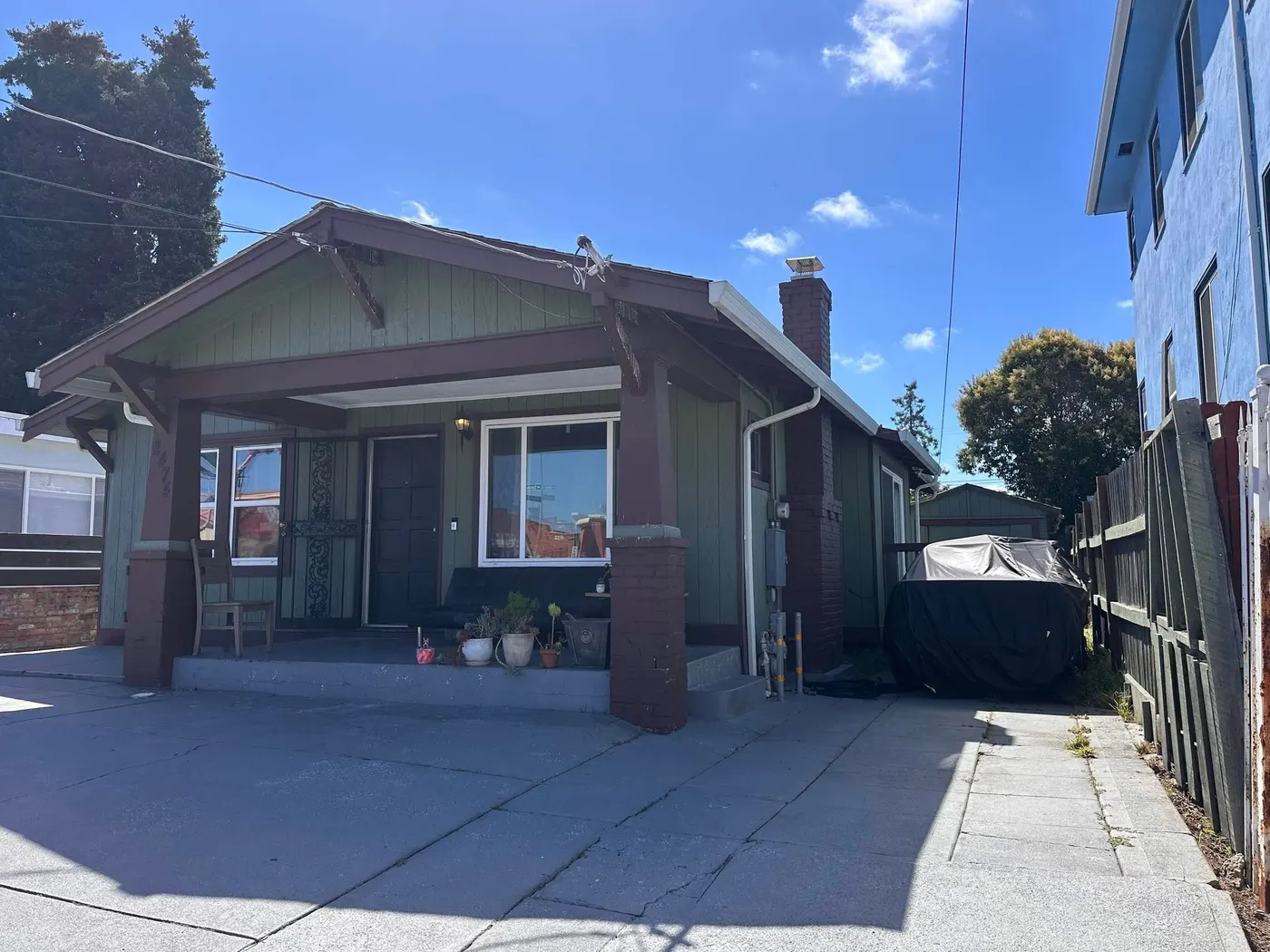
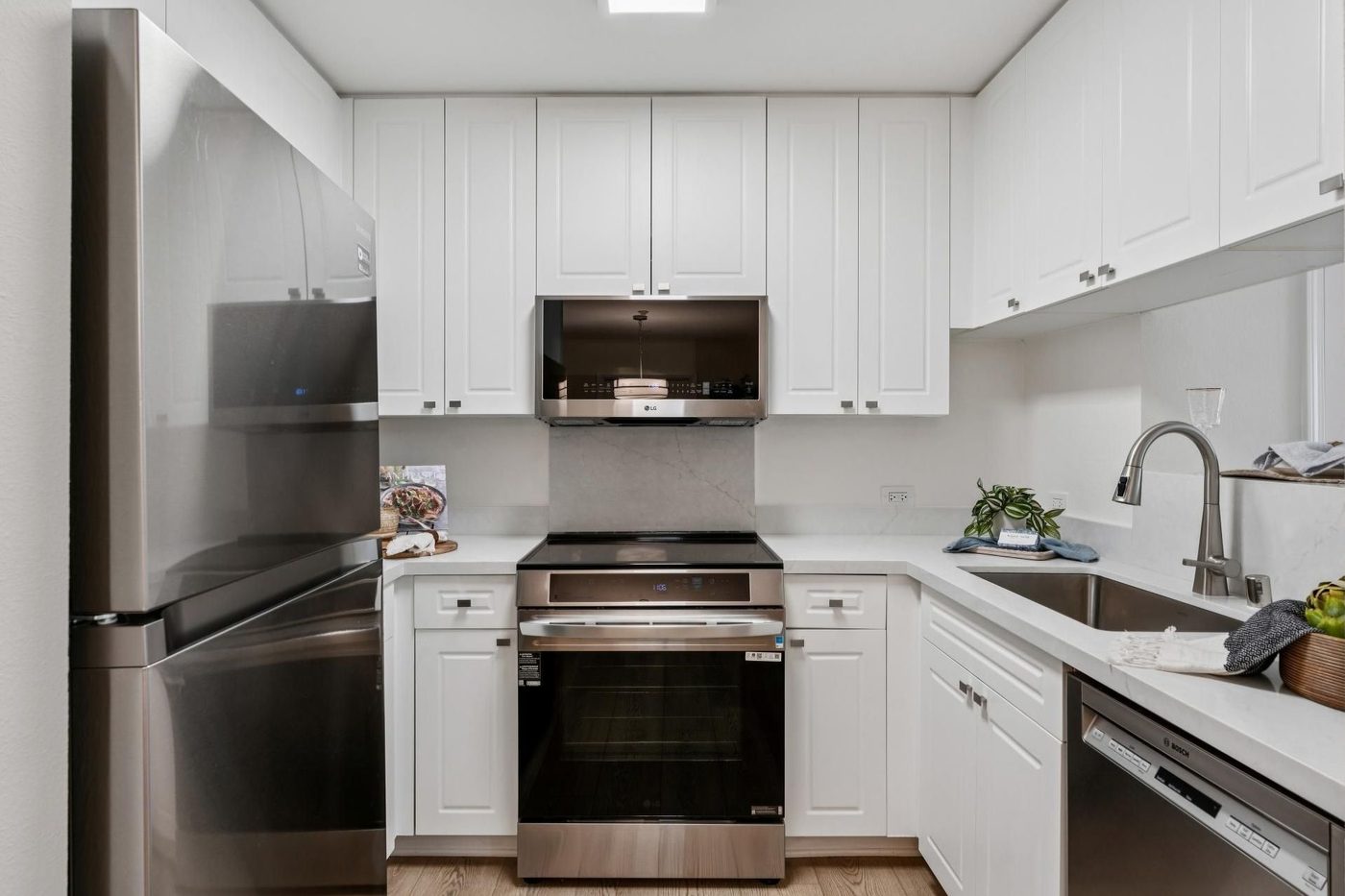

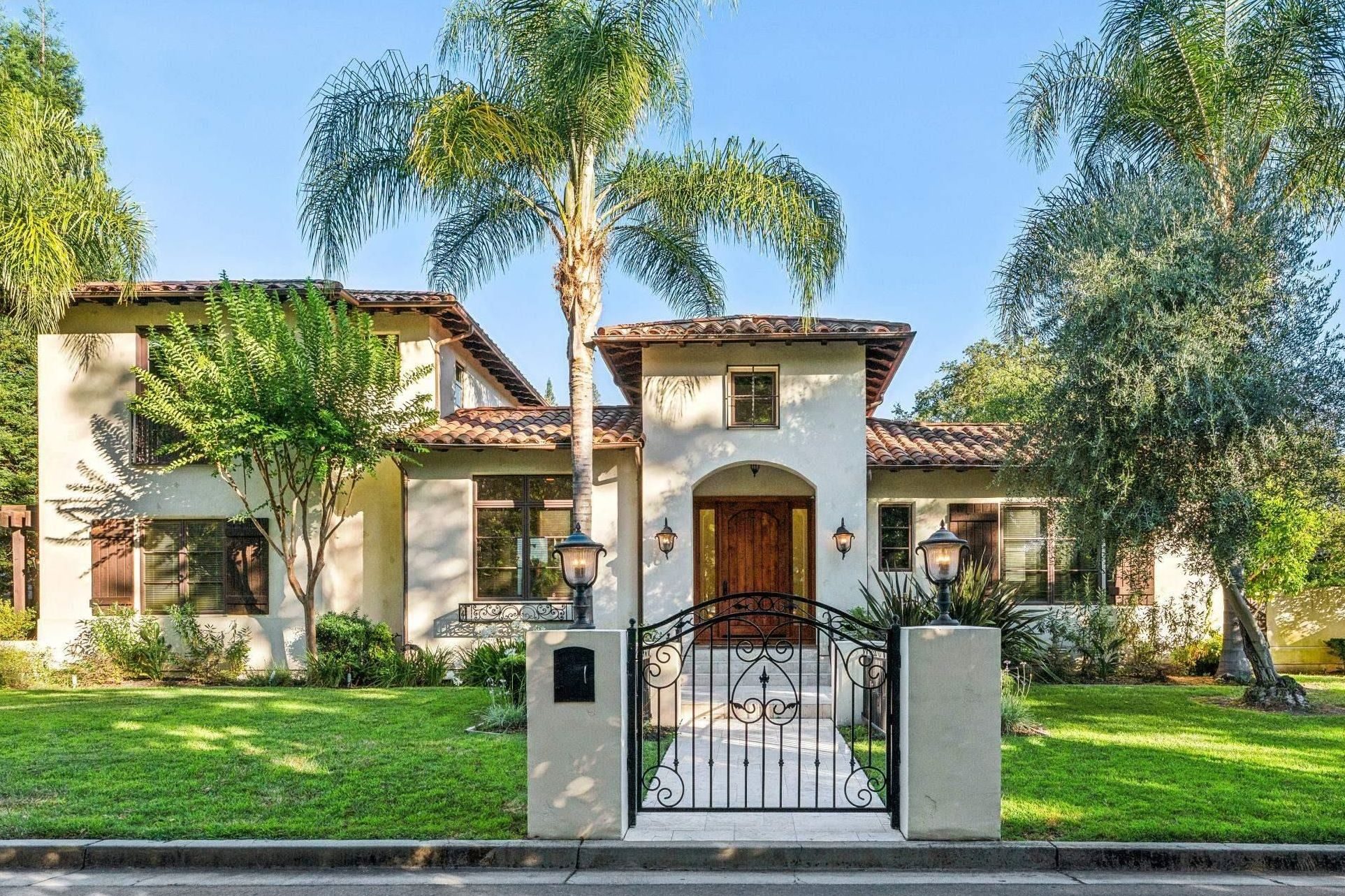
Your Step-by-Step Home Buying Process in Pleasanton
Buying a home in Pleasanton is a multi-step journey. Here's a clear roadmap to keep you on track.
- Set your budget – Review your finances, get pre-approved, and factor in all costs.
- Find an agent – Work with a local expert who knows Pleasanton's neighborhoods and market.
- Tour homes – Visit open houses and private showings to narrow your list.
- Make an offer – Your agent will help you craft a competitive offer based on comps.
- Negotiate and close – Handle inspections, appraisals, and paperwork with professional guidance.
Our team is here to help at every stage. Closing assistance in Danville can help with the final steps.
For details on services and visits, see the main page about homes for sale danville ca.
Sources
Also asked as
- How to buy a house in Pleasanton?
- Pleasanton home buying tips
- First-time home buyer Pleasanton
Frequently asked questions
What is the 3-3-3 rule for buying a house?
The 3-3-3 rule suggests you should have a down payment of at least 3%, an interest rate around 3%, and a monthly payment that's no more than 3% of your income. It's a rough guideline; local market conditions and your finances will vary.
What is the hardest month to sell a house?
Typically, winter months like December and January are slower for home sales due to holidays and weather. However, in Pleasanton's competitive market, homes can sell year-round, especially if priced right.
What's the average home price in Pleasanton, California?
The average home price in Pleasanton varies, but it's often above $1 million. For the most current data, check recent sales or contact a local agent.
What are the biggest red flags to avoid when buying a house?
Red flags include foundation issues, roof damage, outdated electrical systems, and signs of water damage. Always get a thorough inspection before purchasing.
Is 2026 a bad time to buy a house?
It depends on your situation. Interest rates and prices may be higher, but if you're ready financially and find the right home, it can still be a good time. Consider your long-term plans.